วันจันทร์, พฤศจิกายน 18, 2556

The Commonwealth

The Commonwealth
The Commonwealth is one of the world’s oldest political association of states. 
Its roots go back to the British Empire when some countries were ruled directly or indirectly by Britain. Some of these countries became self-governing while retaining Britain’s monarch as Head of State. They formed the British Commonwealth of Nations. 
In 1949 the association we know today – The Commonwealth – came into being. 
In that year India became a republic but still wished to remain a member of the association. In response, leaders agreed that membership did not have to be based on allegiance to the British Crown. Commonwealth members were “free and equal members of the Commonwealth of Nations, freely co-operating in the pursuit of peace, liberty and progress” - The London Declaration 1949. 
Since then, independent countries from Africa, the Americas, Asia, Europe and the Pacific have joined The Commonwealth. 
The last two countries to join The Commonwealth - Rwanda and Mozambique - have no historical ties to the British Empire.

Head of the Commonwealth

HM Queen Elizabeth II is Head of the Commonwealth. 
The Head of The Commonwealth’s role includes a number of symbolic functions. 
There is no maximum fixed term for the Head of The Commonwealth. The choice of successive Heads will be made collectively by Commonwealth leaders.

Commonwealth Secretary-General

Kamalesh Sharma is the Commonwealth Secretary-General. Mr Sharma was formerly India’s High Commissioner to the United Kingdom. In that role he served as a member of the Board of Governors of the Commonwealth Secretariat and the Commonwealth Foundation.

The Secretary-General is responsible for representing The Commonwealth publicly and for the management of the Commonwealth Secretariat.
The Secretary-General is nominated by Commonwealth leaders and can serve a maximum of two four-year terms.

Commonwealth Deputy Secretary-General

Mmasekgoa Masire-Mwamba is the Commonwealth Deputy Secretary-General. Mrs Masire-Mwamba was formerly the Chief Executive Officer of Botswana's Investment Promotion Agency.
The Deputy Secretary-General supports the Secretary-General in the management and executive direction of the Commonwealth Secretariat.

Commonwealth Ministerial Action Group

The Commonwealth Ministerial Action Group (CMAG) deals with serious or persistent violations of Commonwealth political values and can recommend measures for collective action. 
CMAG can also consider situations of concern in member countries in a proactive, engaged and positive manner.
Its authority to suspend or even recommend to Commonwealth leaders that a member country be expelled is unparalleled by other international organisations. 
The Group is convened by the Commonwealth Secretary-General and is made up of a representative of the Commonwealth’s Chair-in-Office and foreign ministers from eight countries - who serve a two-year term.

Board of Governors

The Board of Governors approves the Commonwealth Secretariat’s work plans and budgets. All member governments are represented on the Board of Governors, which meets annually.

Commonwealth Chair-in-Office

Prime Minister Tony Abbott of Australia is the current Commonwealth Chair-in-Office.
The Chair-in-Office is the leader of the Commonwealth country that hosts a Commonwealth Heads of Government Meeting (CHOGM). The two-year role comes into effect at the start of the CHOGM.
The Chair-in-Office voices Commonwealth positions at high-level international forums and reinforces the Good Offices role of the Commonwealth Secretary-General. The term ‘Good Offices’ refers to conflict prevention and resolution work carried out in Commonwealth countries.
Member
Fifty-three countries are members of The Commonwealth. Our countries span Africa, Asia, the Americas, Europe and the Pacific and are diverse – they are amongst the world’s largest, smallest, richest and poorest countries. Thirty-two of our members are classified as small states – countries with a population size of 1.5million people or less and larger member states that share similar characteristics with them. 
All members subscribe to The Commonwealth’s values and principles outlined in The Commonwealth Charter.
Leaders of member countries shape Commonwealth policies and priorities. Every two years, they meet to discuss issues affecting the Commonwealth and the wider world at the Commonwealth Heads of Government Meeting (CHOGM).  
All members have an equal say – regardless of size or economic stature. This ensures even the smallest member countries have a voice in shaping The Commonwealth.

Countries by region


วันอังคาร, พฤศจิกายน 12, 2556

France’s Top 10 Châteaux in Loire Valley


France’s Top 10 Châteaux in Loire Valley


Joyeuse fête nationale! Today France celebrates 14th July Bastille Day – the storming of the prison during the French Revolution. The Monarchy may be no more but French glory and history still lives on… in their most sublime and breathtaking châteaux. Frog took me to the Loire Valley to visit the famous châteaux and it was my most memorable trip of France. Enjoy my top 10 châteaux to visit in the Vallee de la Loire!

1. CHATEAU DE CHENONCEAU:

My absolute favorite château in the whole of France because of its beauty and history. Having read the biographies of Catherine de Medici and Diane de Poitiers, this château is nicknamed the “Château des Dames” because King Henry II gave this castle to his mistress Diane de Poitiers, but when he died, his wife, the Queen Catherine de Medici threw out Diane and installed herself there. Everywhere you’ll see the symbols HDC, originally it was H and D entwined and after the King’s death Catherine added her initial C. A must visit!

2. CHATEAU DE CHAMBORD:

Built as a hunting lodge for François I, Château de Chambord is one of the finest examples of the Renaissance architecture in France. It took over 30 years to build during the 16th century. To me, it’s one of the most extravagant châteaux with elaborate rooftop of 800 sculpted columns and over 440 rooms and 85 staircases, making it the largest château in the Loire Valley.


3. CHATEAU D’AZAY-LE-RIDEAU:

Built in the reign of King Francois I (where architecture and arts truly flourished during this Renaissance period), Chateau Azay-le-Rideau is a small and charmingly romantic castle with Italian style architecture. It is hard to believe that it was a defensive fortress in times past because of its beauty.

4. CHATEAU DE CHAUMONT:

Built on the 10th century remnants of a fortress built to protect Blois, the Chateau de Chaumont was built in the years between 1465 and 1510 by Charles I and Charles II d’Amboise. The Château de Chaumont was purchased by Catherine de Medici a year after Henry II’s death. There she entertained numerous astrologers, among them Nostradamus. In 1559 she forced Diane de Poitiers to exchange the Château de Chenonceau for the Château de Chaumont.

5. CHATEAU D’USSE

The Chateau d’Ussé is where Charles Perrault the author of Sleeping Beauty (La Belle au Bois Dormant) was inspired to use this castle as Sleeping Beauty’s castle and later on in Disney- and it’s beautiful. Located on the edge of the Chinon Forest overlooking the Indre River, the chateau sits atop the bank along the river and has terraced gardens.

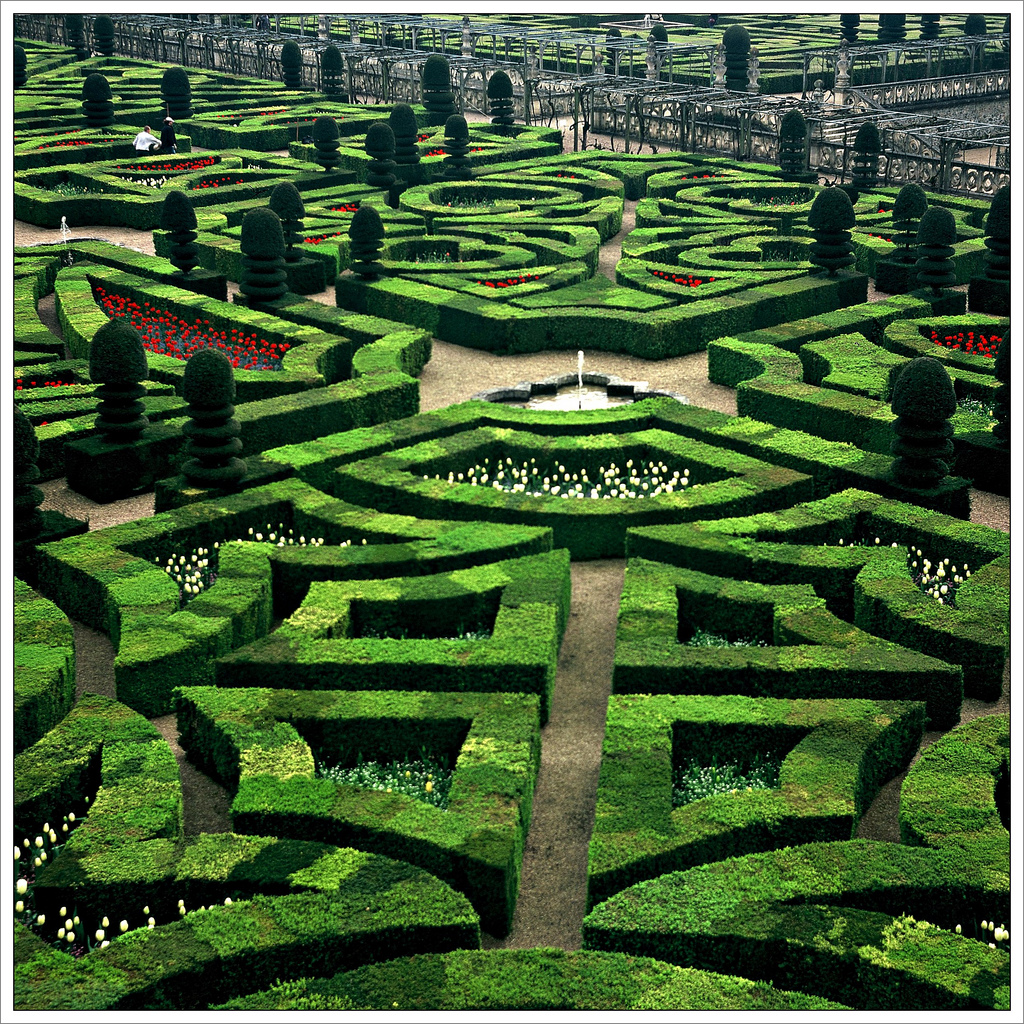
6. CHATEAU DE VILLANDRY

For those who have a passion for gardens, then Chateau de Villandry is for you as it has the most spectacular gardens! Completed in 1536, the chateau was built in a Renaissance style by Jean le Breton, one of François I’s Finance Ministers. Frog and I had a lovely stroll in the gardens.

7. CHATEAU DE BLOIS:

The Château de Blois sits right at the Blois’ city center. The wings and buildings were built between the 13th and 17th century and they surround a lovely central courtyard. The François I wing houses the chateau’s most famous feature – a spiral staircase. The chateau was the location where the Archbishop of Reims blessed Joan of Arc before her march on Orleans in 1429 and has also served as the residence of many French kings.

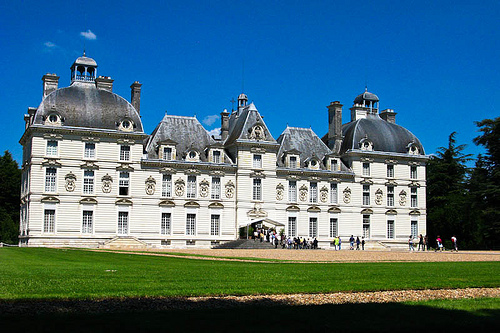
8. CHATEAU DE CHEVERNY

Chateau de Cheverny was built the chateau between 1624 and 1630 by Philippe Hurault. Renowned for its exquisite interior which was renovated in 1768, the chateau holds a large collection of tapestries, furniture and artwork.

9. CLOS LUCE

Not exactly a castle,  but Clos Luce mansion is connected by an underground tunnel to the castle in Amboise and is where Leonardo Da Vinci lived and worked during the last years of his life. He died in 1519 in his upstairs bedroom. Leonardo was brought to Amboise by King François I who resided in the nearby castle. Here you can walk through Da Vinci’s crazy early inventions recreated by engineers according to his drawings located in the garden and his basement.

10. CHATEAU D’AMBOISE

Dating back to the 11th century, this was taken by the French King Charles VII in the mid-15th century and became a royal palace. François I based his court here and he invited Leonardo da Vinci to move to Amboise (Clos Luce above).

วันพุธ, ตุลาคม 23, 2556

Gewurztraminer

alsace

Gewurztraminer is the most typical Alsatian wine. Gewûrz means "spicy" in german. It is the main characteristic of Gewurztraminer. Traminer means "coming from Tramin", a small city in south Tyrol of Austria where the grape is coming from. Gewurztraminer is the name of a grape but also the name of the wine made from the grape!


Gewurztraminer was first grown in Alsace around the 19th century. The grapes now cover roughly 20% of the vineyards in the region. Gewurztraminer replaced a grape called Klevener or Savagnin. Nowadays klevener wines can only be found in the village of Heiligenstein and around. Klevener is a dry white wine with slight spicy flavor while less aromatic than Gewurz, it sould be drunk young.

It is obviously in Alsace where Gewurztraminer grapes give the best results. The wine is delicious, fruity and with strong aromas, a very perfumed and flowery bouquet. Gewurztraminer is sweeter thanRiesling, which is a dry wine.
Thick and rich wine, which can age, Gewurztraminer is better with sauerkraut, sausages and the Alsatian cheese Munster, curry seasoned dishes, chinese and mexican cooking and other spiced dishes. A Gewurztraminer can even be served as a dessert wine.
Gewurztraminer is better when served at 10°C (50°F). Gewurztraminer can last up to 10 years in their best years.

Gewurztraminer wine information :
Name:Gewurztraminer Appellation Alsace Controlée
Location:Alsace region
Places:Eguisheim, Pfaffenheim, Riquewihr, Obermorschwihr, Orschwihr, etc
Soil:Limestone
Clayey-limestone
Size:2,526 ha (6,250 acres)
18% of the Alsace vineyards' size
Production:29 million bottles
Grape:Gewurztraminer
Type of wine:Very aromatic full-body white wine
Age:3 to 10 years
Vintages:
(recommended)
2007, 2005, 2003, 2000, 1998
Aromas:Grapefruit
Rose
LitcheePeach stone
Gewurz and Food:Aperitif
Foie Gras
Spicy dishes
Asiatic food
Dessert wine
Gewurz and Cheese:
Munster (recommended)
Roquefort
Langres
Maroilles
Pont l'Eveque

thanks information from  French Wine Guide

วันพฤหัสบดี, ตุลาคม 10, 2556

ถั่วลิสงกับอัลมอนด์เลือกอันไหนดีกว่ากัน

ถั่วลิสงกับอัลมอนด์เลือกอันไหนดีกว่ากัน
งานนี้คู่ท้าชิงตำแหน่งเจ้าแห่งสังเวียนอาหารเสริมสร้างกล้ามงามๆ ของเราคือ ถั่วลิสงกับอัลมอนด์ ไปดูกันว่าผลสุดท้ายใครจะถูกอัดคว่ำและใครจะคว้าแชมป์ไปครอง
ว่าด้วยเรื่องพลังงาน
ระดับพลังงานถือว่าสูสีชนิดหายใจรดต้นคอระหว่างถั่วลิสง 100 กรัม ที่ให้ 567 kcal กับอัลมอนด์ขนาดเดียวกันที่ให้พลังงาน 575 kcal ต่างกันแค่ 8 kcal ถ้าคุณกินถั่วลิสงเพิ่มไปสัก 2 เม็ด ก็จะได้พลังงานเท่ากันแล้วแคลอรีของอัลมอนด์แซงไปแบบเฉียดฉิว แต่อัลมอนด์ 100 กรัม ให้วิตามินบีแค่ 16 เปอร์เซ็นต์ของปริมาณที่ร่างกายต้องการต่อวัน ในขณะที่ถั่วลิสงให้ตั้ง 30 เปอร์เซ็นต์ วิตามินพวกนี้จะดึงพลังงานจากอาหาร ทำให้สมองคุณแล่นและตื่นตัวตลอดวัน
ว่าด้วยเรื่องกล้ามเนื้อ
ถึงจะมีชื่อเป็นถั่ว แต่ที่จริงถั่วลิสงเป็นเมล็ดพืชต่างหาก ถั่วลิสงหนึ่งกำมือให้โปรตีนเสริมสร้างกล้ามเนื้อ 26 กรัม ส่วนอัลมอนด์ให้โปรตีน 21 กรัม ไม่บอกก็รู้ว่ากล้ามคุณจะพิศวาสอะไรมากกว่ากัน
อัลมอนด์มีแมกนีเซียมมาก แค่หนึ่งกำมือก็ให้ถึง 87 เปอร์เซ็นต์ของปริมาณที่ร่างกายต้องการต่อวัน ซึ่งช่วยให้ร่างกายดูดซึมออกซิเจนได้มากขึ้น กล้ามเนื้อจึงทำงานได้เต็มที่มากขึ้น ผลวิจัยในวารสาร Endocrinology Metabolism Clinics of North America บอกว่าอย่างนั้น
ว่าด้วยเรื่องการฟื้นฟูร่างกาย
ถั่ว ลิสง 100 กรัม มีไขมันไม่อิ่มตัว 40 กรัม ส่วนอัลมอนด์มี 42 กรัม “ไขมันชนิดนี้ ดีต่อสุขภาพและจำเป็นต้องใช้รักษาฮอร์โมนที่ช่วยสร้างกล้ามเนื้อให้มีระดับ สูงเข้าไว้” นักโภชนาการด้านกีฬา แมตต์ โลเวลล์ กล่าว อัลมอนด์ 100 กรัม มีโอเมกา-3  ที่ช่วยต้านอาการอักเสบอยู่ 6 กรัม ส่วนถั่วลิสงมีแค่ครึ่งเดียว มิน่าล่ะอัลมอนด์ถึงแพงกว่าลิบลิ่ว
อัลมอนด์ หนึ่งกำใหญ่ๆ ให้วิตามินอี 121 เปอร์เซ็นต์ของปริมาณที่ร่างกายต้องการต่อวัน ในขณะที่ถั่วให้มาแค่เกือบครึ่งคือ 42 เปอร์เซ็นต์ ผลการศึกษาของมหาวิทยาลัยอิลลินอยส์พบว่า อัลมอนด์ปริมาณเท่านี้ช่วยลดอาการอักเสบหลังเวิร์กเอาต์ได้ดีเยี่ยม งั้นก็เมินยาแก้ปวดแล้วหันมากินอัลมอนด์แทนหลังเวิร์กเอาต์หนักๆ ดีกว่า
สรุป คือ ถ้าต้องการพลังงานและเสริมสร้างกล้ามเนื้อล่ะก็ ถั่วลิสงตอบโจทย์ได้ตรงกว่าอัลมอนด์แน่นอน แต่ถึงอย่างไร อัลมอนด์ก็มีสารอาหารอื่นๆ ที่น่าทึ่งอยู่เหมือนกัน ซึ่งจะเลือกทานอะไรนั้น เเนะนำ เลือกทานให้ครบ 5 หมู่ และทานอาหารหลากหลายเข้าไว้น่าจะดีที่สุด
Credit: Men’s Health

“หน่อไม้ฝรั่ง” ยาวิเศษเพื่อความงาม

“หน่อไม้ฝรั่ง” ยาวิเศษเพื่อความงาม
แอสพารากัส หรือ หน่อไม้ฝรั่ง เป็นพืชพื้นเมืองแถบยุโรปและแอฟริกา คุณสมบัติสำคัญอยู่ที่ความหวานกรอบ และมีกลิ่นหอมเฉพาะตัว รสชาติดี มีคุณค่าทางอาหารสูง ชาวกรีกเป็นชนชาติแรกที่ริเริ่มปลูกหน่อไม้น้ำเมื่อ 2,500 ปีมาแล้ว และต่อมาก็เป็นที่นิยมบริโภคกันมากสำหรับชาวกรีก โรมัน และอียิปต์โบราณ

คุณค่าอาหารของหน่อไม้ฝรั่ง

ในหน่อไม้ฝรั่งเต็มไปด้วยคุณค่าครบเครื่องเรื่องโภชนาการ จนได้รับการกล่าวขานว่าเป็นผักมีประโยชน์สุดยอดขั้นเทพ
  • เป็นแหล่งรวมของวิตามินเค วิตามินบี โฟเลต วิตามินซี และวิตามินเอ
  • อุดมไปด้วยวิตามินบี ทั้งบี 1 บี 2 บี 3 และบี 6
  • มีปริมาณโฟลาซินสูง
  • เต็มไปด้วยแร่ธาตุ เช่น สังกะสี ทองแดง ฟอสฟอรัส โปแตสเซียม และเซเลเนียม
  • มีกากใยสูง
  • มีโปรตีน ประมาณ 3 กรัมต่อน้ำหนัก 5.3 ออนซ์
  • ไม่มีไขมันหรือโคเลสเตอรอล
  • มีปริมาณเกลือต่ำมาก
  • แต่ละต้นมีแคลอรีน้อยกว่า 4 แคลอรี
  • สารกลูตาไธโอน

ประโยชน์ของหน่อไม้ฝรั่งต่อสุขภาพ

  • เป็นอาหารของแบคทีเรียในลำไส้ใหญ่
    หน่อไม้ฝรั่งเป็นหนึ่งในผักไม่กี่ชนิดที่ประกอบด้วยคาร์โบไฮเดรตชนิดที่ เรียกว่า อินูลิน ซึ่งเป็นสารประเภทฟรุกโตโอลิโกแซคคาไรด์ มีลักษณะเฉพาะคือมีรสชาติที่หวาน คล้ายน้ำตาล แต่จะไม่ถูกย่อยในทางเดินอาหารจึงไม่ให้พลังงานและไม่เพิ่มระดับน้ำตาลอินูลินจะไปช่วยให้แบคทีเรียที่มีประโยชน์ในลำไส้เพิ่มจำนวนมากขึ้น พร้อมๆ กับยับยั้งการเพิ่มจำนวนของแบคทีเรียตัวร้ายที่ทำให้เกิดโรคท้องร่วง
  • มีประสิทธิภาพในการต้านมะเร็ง
    หน่อไม้ฝรั่งเป็นอาหารที่มีกลูต้าไธโอนอยู่มากที่สุด ซึ่งกลูต้าไธโอนเป็นสารต้านอนุมูลอิสระ จึงช่วยชะลอความเสื่อมของร่างกาย ช่วยให้ตับขจัดสารพิษออกจากร่างกาย และนำมาใช้รักษาโรคมะเร็ง
  • ราก ใช้รักษาโรคเกี่ยวกับปัสสาวะ รักษานิ่วในกระเพาะปัสสาวะและนิ่วในไต
  • แก้เมาค้าง
    มีการศึกษาระบุว่า กรดอะมิโนและแร่ธาตุในสารสกัดจากหน่อไม้ฝรั่ง สามารถจะช่วยแก้อาการเมาค้างและป้องกันเซลล์ตับจากพิษของแอลกอฮอล์ได้
  • ใช้เป็นยาบำรุงในการแพทย์อายุรเวช
  • อุดมไปด้วยโฟลาซิน ซึ่งเป็นวิตามินที่ช่วยป้องกันภาวะหลอดประสาทของทารกในครรภ์ปิดไม่สนิท (neural tube defects) ซึ่งเป็นสาเหตุทำให้เกิดความพิการและเสียชีวิตในเด็ก
  • มีสรรพคุณมากมายในทางยา ซึ่งใช้กันมาตั้งแต่สมัยโรมันโบราณ
  • ช่วยลดน้ำหนัก…เช่นเดียวกับผักส่วนใหญ่ หน่อไม้ฝรั่งมีน้ำตาลน้อยมาก ไม่มีไขมัน มีคาร์โบไฮเดรตตัวดี และมีกากอาหารสูง
หมายเหตุ บางคนจะรู้สึกว่า ปัสสาวะมีกลิ่นฉุนหลังรับประทานหน่อไม้ฝรั่ง ไม่ต้องตกใจไปค่ะ กลิ่นฉุนคล้ายกำมะถันนี้มาจากกระบวนการย่อยกรดอะมิโนบางชนิดของร่างกาย นั่นเอง ซึ่งบางคนอาจไม่รู้สึกเลย

การเลือกซื้อหน่อไม้ฝรั่ง

  • เลือกต้นที่มีความแน่น กรอบ สีเขียวสด ส่วนปลายแห้งและไม่บานออก หน่อไม้น้ำมีทั้งลำต้นอวบใหญ่และลำต้นเล็กๆ ดังนั้น เวลาเลือกควรเลือกขนาดใดขนาดเดียวไปเลย เวลานำไปปรุงอาหารจะได้สุกพร้อมกัน
  • ถ้ามีกลิ่น หรือต้นเหี่ยว ไม่ควรซื้อ
  • หากส่วนโคนที่เป็นเสี้ยนๆ ยาวเกิน 15 เปอร์เซ็นต์ ของความยาวทั้งหมด แสดงว่าแก่เกินไป
  • หน่อไม้ฝรั่งค่อนข้างบอบบาง ช้ำง่าย และแห้งง่าย ซื้อมาแล้วควรทำกินทันทีจะดีที่สุด อย่าเก็บไว้นาน
  • ลองบีบทั้งกำเบาๆ ถ้ามีเสียงดังเอี๊ยด แสดงว่ายังสดอยู่
  • คุณอาจจะคิดว่าต้นผอมๆ จะอ่อนกว่า แต่ส่วนใหญ่แล้ว ต้นที่อวบๆ มักจะหวานกรอบกว่าต้นเล็กๆ
การเก็บรักษา ตัดส่วนโคนออกประมาณ 1 นิ้ว แล้วห่อด้วยกระดาษพรมน้ำให้ชุ่ม ใส่ถุงพลาสติกอีกชั้น จะสามารถเก็บไว้ในตู้เย็นได้นานประมาณ 3 วัน การยืดอายุ หลังจากตัดโคนออกแล้ว เอาไปแช่น้ำโดยจับวางตั้งขึ้น แล้วครอบด้วยถุงพลาสติกเพื่อเก็บความชื้น เคล็ดลับการกินหน่อไม้ฝรั่งอย่างง่ายๆ วิธีที่ดีที่สุดคือ กินสดๆ โดยตัดเป็นท่อนๆ ผสมกับผักสลัด
วิธีง่ายๆ อีกวิธีหนึ่งคือ นำไปนึ่งสัก 2 – 3 นาทีแค่พอสุก กินแกล้มกับน้ำพริก หลน หรือกินกับปลานึ่ง จิ้มน้ำจิ้มซีฟู้ดก็อร่อยไปอีกแบบ เมนูอาหารจากหน่อไม้ฝรั่ง ถ้าเป็นเมนูไทยๆ แค่ผัดน้ำมันหอย หรือผัดกับกุ้ง ก็อร่อยล้ำแล้วละค่ะ แต่ถ้าชอบออกแนวตะวันตกหน่อย ก็สามารถทำได้ทั้งซุป หรือปิ้ง ย่าง กินกับสเต๊ค

Credit: sakulthaionline.com